
🌿 A simple introduction to Chinese tea
Chinese tea all comes from the same plant — one single tea tree (Camellia sinensis).
What makes it different is not the plant itself, but how the leaves are processed after picking.
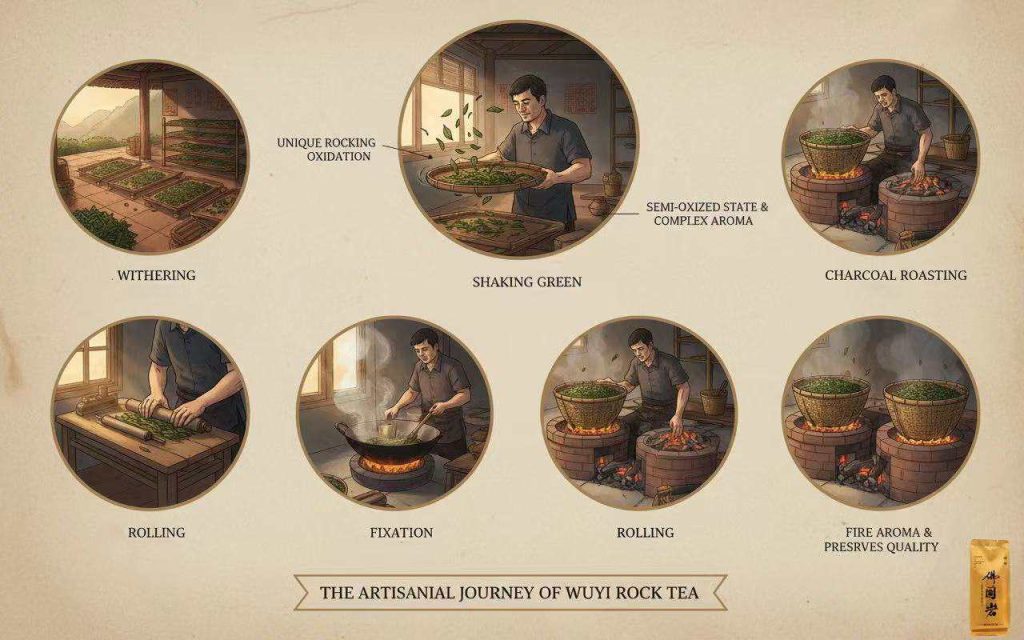
Through different techniques like oxidation, drying, rolling, and aging, this one plant can become six main types of Chinese tea.
That’s why Chinese tea is not just one flavor, it is a whole system of styles created by craftsmanship.
🍃 The six main types of Chinese tea
Chinese tea is traditionally divided into six major categories:
🟢 1. Green Tea (绿茶)
Green tea is the least processed type of tea.
It is usually:
- Fresh
- Light
- Vegetal or slightly sweet
Common notes:
- Grass
- Chestnut
- Fresh leaves
👉 It is often considered the most “pure” expression of the tea leaf.
⚪ 2. White Tea (白茶)
White tea is very lightly processed and naturally dried.
It is known for:
- Soft and delicate taste
- Subtle sweetness
- Light floral aroma
It feels calm and gentle, like a quiet cup of tea rather than a strong one.
🟡 3. Yellow Tea (黄茶)
Yellow tea is rare and less known outside China.
It is similar to green tea but goes through an extra slow oxidation step.
Taste profile:
- Smooth
- Soft
- Slightly sweet
🟤 4. Oolong Tea (乌龙茶)
Oolong tea sits between green and black tea.
It is one of the most diverse categories.
Depending on the style, it can taste:
- Floral (like orchids)
- Roasted (nutty, warm)
- Mineral (rock-like depth)
👉 Famous regions include Wuyi Mountain and Anxi.
This is also one of our core specialties at Serenitea Tea House.
🔴 5. Black Tea (红茶)
Known as “black tea” in the West, but called “red tea” in China.
It is:
- Fully oxidized
- Smooth and rich
- Naturally sweet
Flavor notes:
- Cocoa
- Honey
- Dried fruit
It is often very beginner-friendly.
🟠 6. Dark Tea / Pu-erh Tea (黑茶)
Dark tea includes aged and fermented teas, such as Pu-erh.
It is known for:
- Deep earthy flavor
- Smooth texture
- Aging potential
Some teas improve over time, becoming richer and more complex.
🍵 Why Chinese tea feels so different
Unlike many Western teas, Chinese tea focuses less on “flavoring” and more on:
Origin (mountains, soil, altitude)
Processing method
Aging and storage
Brewing technique
Even the same tea can taste very different depending on how it is prepared.
🫖 How to start your tea journey
If you are new to Chinese tea, a good starting point is:
- Light Oolong (balanced and aromatic)
- Black tea (smooth and easy)
- White tea (gentle and calming)
You don’t need to learn everything at once.
Tea is not about complexity, it is about enjoyment.
🌿 A final thought
Chinese tea is not just a drink.
It is a quiet moment in a busy day.
A small ritual that helps you slow down, breathe, and reconnect with yourself.
At Serenitea Tea House, we explore tea in this simple way, through taste, feeling, and everyday experience.
🍵 Explore more
- Tea Collections & Tea Ware https://tealuz.com/shop/
- Tea Knowledge articles
- Tea Culture & History
- Our Tea Journal https://tealuz.com/tea-stories/
